

Hot chamber die casting is a high-efficiency process used to produce metal components with consistent geometry, smooth surfaces, and repeatable mechanical performance. The process is designed for alloys with low melting points, allowing the injection system to remain submerged in molten metal. This configuration supports fast cycle times, stable casting behavior, and reliable dimensional accuracy across high-volume production.
Manufacturers rely on hot chamber die casting for components that require tight tolerances, clean surface profiles, and predictable strength. The process is widely used in electronics, consumer products, industrial assemblies, and small mechanical systems where part consistency directly influences assembly fit and long-term reliability.
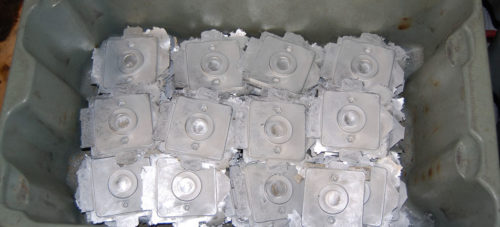
How Hot Chamber Die Casting Works
Hot chamber die casting uses an integrated injection system positioned inside the molten alloy. A plunger draws metal into the chamber and forces it into the die cavity under controlled pressure. Because the injection mechanism remains heated, the process supports rapid cycling and stable metal flow.
This method reduces thermal variation between shots, helping maintain consistent part geometry. It also minimizes oxidation and contamination, improving surface quality and reducing downstream finishing requirements.
Advantages of Hot Chamber Die Casting
Hot chamber die casting is selected for applications that require speed, repeatability, and stable casting behavior. Key advantages include:
- Fast cycle times for high-volume production
- Reduced thermal fluctuation between shots
- Clean metal flow that supports smooth surfaces
- Lower energy demand compared to external melting systems
- Reliable dimensional accuracy for small and medium-sized components
These benefits make the process suitable for parts that must maintain tight tolerances and predictable mechanical performance.
Materials Used in Hot Chamber Die Casting
Hot chamber systems are compatible with alloys that melt at lower temperatures and do not aggressively attack the injection components. Zinc alloys are the most common choice due to their castability, strength, and ability to support fine detail. Magnesium alloys may also be used in certain configurations where lightweight performance is required.
Material selection influences part strength, surface finish, corrosion behavior, and downstream machining requirements. Manufacturers evaluate alloy characteristics to match the needs of specific industries and applications.
Applications and Industry Use
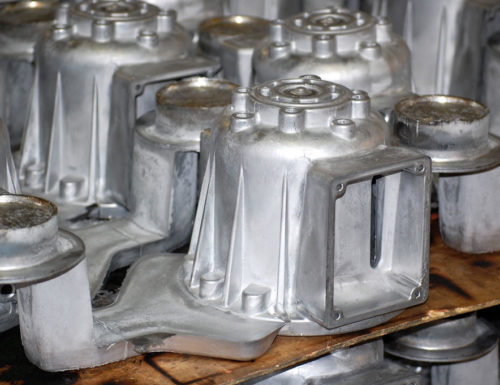
Hot chamber die casting supports components used in electronics, consumer goods, industrial equipment, and small mechanical assemblies. The process is used for housings, brackets, connectors, levers, and detailed parts that require clean geometry and stable dimensional control. Its efficiency makes it suitable for programs that demand consistent output across long production runs.
 Frequently Asked Questions
What Is Hot Chamber Die Casting?
Hot chamber die casting is a process where the injection system is submerged in molten alloy, allowing fast cycling and consistent metal flow for high-volume production.
Which Alloys Are Used in Hot Chamber Systems?
Zinc alloys are most common due to their castability and ability to support fine detail. Magnesium alloys may be used in certain lightweight applications.
Why Choose Hot Chamber Die Casting?
The process offers fast cycle times, stable casting behavior, smooth surfaces, and reliable dimensional accuracy for small and medium-sized components.
What Industries Use Hot Chamber Die Cast Parts?
Electronics, consumer products, industrial assemblies, and mechanical systems rely on hot chamber die casting for components that require tight tolerances and consistent geometry.