

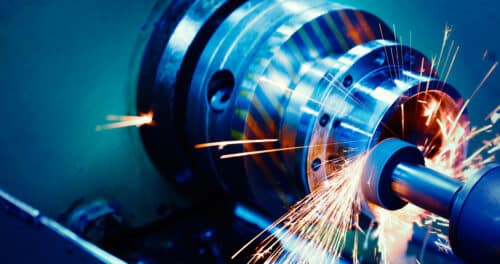
How Precision CNC Machining Improves Part Fit and Movement
Precision CNC machining plays a major role in producing components that fit correctly, move smoothly, and perform consistently in demanding assemblies. When tolerances are tight and part interaction matters, machining accuracy directly influences how well parts align, slide, rotate, or lock into place. These factors are required in industries where motion, repeatability, and assembly quality […]
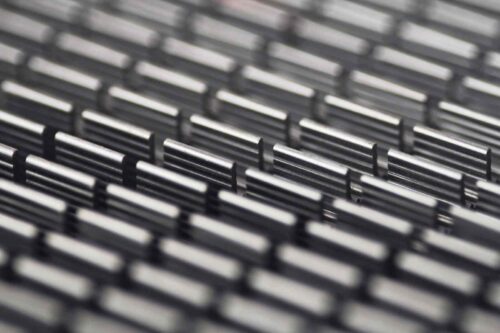
Why Deburring Matters for Medical Components
Medical components must meet high expectations for accuracy, cleanliness, and dependable performance. Even small surface flaws can affect how a device functions, how it fits within an assembly, or how safely it can be handled. This is why deburring plays a meaningful role in the production of medical parts. By removing leftover material from casting, […]
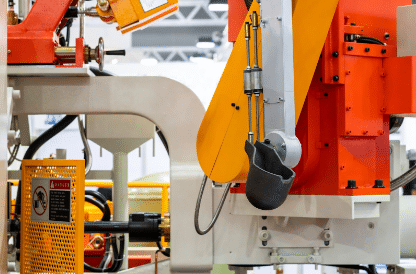
Why OEMs Choose Zinc Die Casting for High-Volume Production
Zinc die casting has become one of the most trusted manufacturing processes for OEMs that need millions of consistent, high-precision components. Its unique combination of material performance, dimensional stability, and production efficiency makes it especially valuable in industries where reliability is important and tolerances are tight. Whether the end use is automotive, electronics, industrial hardware, […]
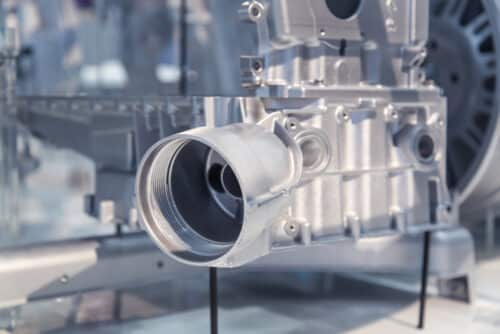
Why High Pressure Die Casting Works Well for Complex Parts
High pressure die casting is a proven method for producing complex, multi feature components with stable geometry and consistent output. Its combination of rapid metal flow, engineered tooling, and controlled solidification allows manufacturers to create shapes that would be difficult or inefficient to achieve through machining, stamping, or lower pressure casting processes. Key Takeaways: Why […]
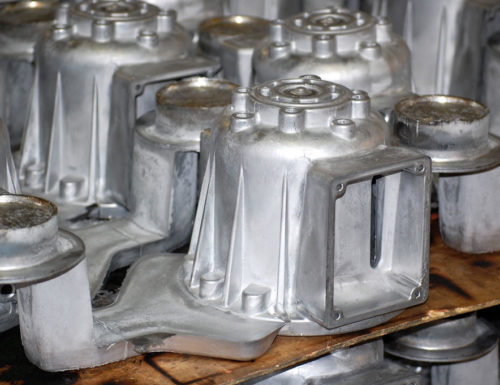
How the Aluminum Die Casting Process Works from Start to Finish
Aluminum die casting remains one of the most efficient ways to produce strong, lightweight, dimensionally consistent metal components at scale. Whether you’re an engineer evaluating manufacturability or a procurement team comparing production methods, understanding how the aluminum die cast process works from start to finish helps you make better decisions about cost, quality, and performance. […]
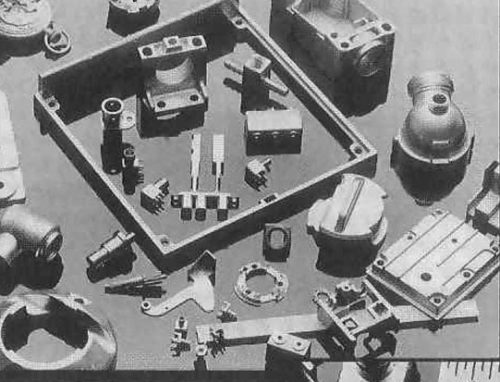
How Die Casting Controls Quality, Tolerances & Repeatability
Die casting is a process where precision is engineered into every step. The ability to produce thousands, or millions, of identical components depends on how well a die casting service manages tooling, thermal conditions, alloy behavior, and machine parameters. Quality, tolerances, and repeatability are not independent goals; they are interconnected outcomes of a controlled, disciplined […]
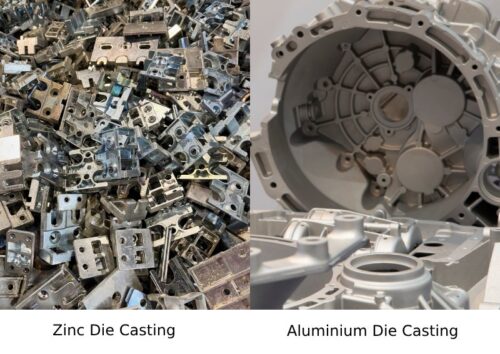
Aluminum vs Zinc Die Casting
Updated on: 3/9/2026 Die casting is a popular manufacturing process used to create metal parts with high precision and detail. Among the most commonly used metals in die casting are zinc and aluminum. Each has distinct properties that make them suitable for different applications. Let’s compare zinc die casting vs aluminum, highlighting the key differences […]
What Are The Advantages Of Die Casting?
Updated on: 3/9/2026 Die casting is a popular manufacturing process used to produce complex metal parts with high precision and excellent surface finishes. Understanding the advantages and benefits of die casting can help you make informed decisions for your manufacturing needs. So, what are the advantages of die casting? Key Takeaways: What Are The Advantages […]

What is Die Casting?
Updated on: 3/9/2026 Die casting is a manufacturing process that involves injecting molten metal into a steel mold, or die, under high pressure. This process yields parts with exceptional accuracy, intricate detailing, and consistent quality. This process is rapid and efficient, allowing for large-scale production with minimal waste. Die casting offers tight tolerances and precise […]
Porosity in High Pressure Die Casting and How to Control It
Updated on: 3/9/2026 Understanding porosity in high pressure die casting is crucial to producing quality products consistently. Porosity can cause various defects and weak areas in the finished product, leading to costly rework or scrap parts. Fortunately, it can control porosity by optimizing the design parameters and material processes used during manufacturing. In this blog […]