

Manufacturers invest significant resources into material selection, process control, inspection procedures, and quality management systems to reduce risk and improve product performance. Yet one often-overlooked step can have a substantial impact on product quality, safety, and liability exposure: deburring.
Burrs may appear small and insignificant, but sharp edges, loose material, and surface imperfections can create issues that extend far beyond cosmetic concerns. From assembly problems and equipment damage to safety incidents and product failures, inadequate deburring can introduce risks that affect manufacturers, suppliers, employees, and end users alike.
Understanding how deburring contributes to product quality and risk reduction can help manufacturers protect both their customers and their businesses.
Key Takeaways: How Deburring Reduces Manufacturing Liability Risks
- Deburring helps reduce safety risks by eliminating sharp edges and unwanted material from manufactured components.
- Proper burr removal can improve assembly performance, equipment reliability, and product longevity.
- Inadequate deburring may contribute to product failures, component damage, and increased warranty claims.
- Industries with strict quality and safety standards often rely on deburring as a critical part of their manufacturing process.
 What Is Deburring?
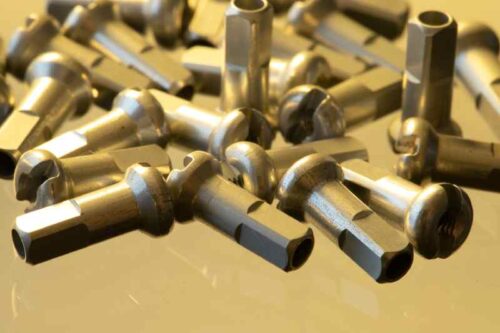
Deburring is a finishing process used to remove burrs, sharp edges, and excess material that remain after manufacturing operations such as:
- High-pressure die casting
- Mechanical trimming
- CNC machining
- Drilling
- Tapping
- Milling
During these processes, small projections or rough edges can form on a component’s surface. Deburring removes these imperfections and creates smoother, more consistent edges before the part advances to assembly, coating, or final use.
While burrs may sometimes appear minor, their impact on functionality and safety can be significant.
Deburring Helps Improve Workplace Safety
One of the most immediate liability benefits of deburring involves worker safety.
Manufactured components pass through numerous hands during production, assembly, packaging, installation, and maintenance. Sharp edges increase the likelihood of cuts, abrasions, and handling injuries throughout the product lifecycle.
Removing burrs helps create safer components for:
- Production personnel
- Assembly technicians
- Maintenance teams
- Installers
- End users
Reducing injury potential not only improves workplace safety but may also help minimize costs associated with accidents, lost productivity, and workers’ compensation claims.
Preventing Assembly Issues and Rework
Liability risks do not always appear after a product reaches the customer. Many begin during internal manufacturing operations.
Burrs can interfere with proper part fit, prevent components from seating correctly, and create alignment problems during assembly. These issues may lead to production delays, rejected parts, or costly rework.
Even small dimensional inconsistencies caused by burrs can affect assembly quality, particularly in applications that require tight tolerances or precision mating surfaces.
By removing these imperfections early in the manufacturing process, companies can reduce the likelihood of assembly-related problems and improve overall production consistency.
Reducing the Risk of Premature Product Failure
Many industrial products operate under demanding conditions that include vibration, friction, movement, pressure, and repeated loading cycles.
When burrs remain on a component, they can create stress concentrations that contribute to premature wear or failure. Sharp edges may also damage neighboring parts during operation, accelerating component degradation and reducing system reliability.
Deburring helps create smoother transitions and more consistent surface conditions that support long-term product performance.
This can be particularly important for industries where equipment reliability directly impacts safety, productivity, or regulatory compliance.
Improving Coating Performance
Protective coatings often serve as a product’s first line of defense against corrosion, wear, and environmental exposure.
However, burrs and surface irregularities can interfere with coating adhesion. Areas surrounding sharp edges may receive inconsistent coating coverage, creating potential weak points that are more vulnerable to deterioration.
Proper deburring helps create uniform surfaces that support better coating application and long-term performance.
By improving coating effectiveness, manufacturers may reduce the risk of premature corrosion-related failures that could lead to warranty claims or product replacement costs.
Protecting Equipment and Machinery
Burrs do not only create risks for finished products. They can also affect manufacturing equipment and customer machinery.
During operation, sharp edges may:
- Increase friction between moving components
- Damage seals and gaskets
- Accelerate component wear
- Interfere with precision movement
- Generate unwanted debris
In severe cases, loose burrs can become foreign material within a mechanical system, leading to equipment damage or operational failures.
Removing burrs before parts enter service helps reduce these risks and contributes to more reliable equipment performance.
Supporting Regulatory and Industry Requirements
Many industries maintain strict quality and safety standards that require attention to component finish and edge condition.
Examples include:
- Aerospace
- Medical device manufacturing
- Automotive production
- Electronics manufacturing
- Industrial machinery
In these sectors, even minor manufacturing defects can have significant consequences.
Deburring supports compliance efforts by helping manufacturers deliver components that meet performance, safety, and quality expectations. It also demonstrates a commitment to thorough process control and product excellence.
Protecting Brand Reputation
Today’s manufacturers operate in highly competitive markets where product quality can directly affect customer trust.
A product failure traced to poor finishing or inadequate quality control can have consequences that extend far beyond warranty expenses. Negative reviews, damaged customer relationships, and reduced confidence in a brand may have long-lasting effects.
Investing in proper finishing processes, including deburring, helps reduce the likelihood of issues that could impact a company’s reputation.
In many ways, deburring serves as a preventative measure that helps protect both product quality and brand value.
 Industries Where Deburring Is Especially Important
While nearly every manufacturing sector benefits from deburring, certain industries rely on it heavily because of the potential consequences of failure.
Automotive Components
Vehicle systems contain numerous precision parts that must function consistently under demanding operating conditions. Burr-free surfaces help support reliable assembly, performance, and durability.
Aerospace Parts
Aerospace manufacturers maintain extremely high quality standards. Deburring helps eliminate imperfections that could affect safety or system reliability.
Medical Devices
Medical instruments and equipment often require smooth edges and precise finishes to support both performance and patient safety.
Electronics
Removing burrs from electronic components can help prevent interference, short circuits, and assembly issues.
Industrial Machinery
Deburring helps improve equipment reliability by reducing wear, improving component interaction, and minimizing the risk of mechanical failure.
Deburring as Part of a Risk Management Strategy
Successful manufacturers understand that liability reduction requires attention to every stage of production.
Material selection, machining accuracy, inspection procedures, and finishing operations all contribute to product quality. Deburring plays an important role within this larger framework by helping eliminate conditions that could lead to injuries, failures, or performance issues.
Rather than treating deburring as a final cosmetic step, many organizations view it as an essential quality assurance process that helps protect products, customers, and business operations.
Why Deburring Remains an Important Manufacturing Process
Burrs may be small, but the risks they create can be substantial. Sharp edges, dimensional inconsistencies, poor coating adhesion, assembly difficulties, and component failures can all contribute to increased liability exposure.
By incorporating professional deburring services into the manufacturing process, companies can improve safety, enhance product quality, reduce rework, and support long-term reliability. These benefits make deburring an important investment for manufacturers seeking to minimize risk while delivering dependable products to their customers.
At DyCast Specialties, we provide precision finishing and deburring services designed to help manufacturers improve product quality, consistency, and performance. Our experienced team utilizes advanced equipment and proven finishing techniques to remove burrs, smooth edges, and prepare components for assembly, coating, and final use.
Contact DyCast Specialties today to learn more about our deburring capabilities and discover how our finishing services can help reduce manufacturing risks while supporting your quality objectives.
Comments are closed